Durham is currently navigating a significant structural challenge: a widening “Housing Gap” that threatens long-term economic stability. To meet the projected demand of its growing population and maintain a functional, healthy market, Durham requires a total of 32,992 new housing units by 2029. This figure represents the sum of unmet demand across various income levels and housing types.
The Scale of the Shortfall
The breakdown of the types of units needed is as follows:
| Housing Type | Total Units Needed by 2029 |
| Rental Units | 17,699 |
| For-Sale Homes | 15,293 |
| Total Target | 32,992 |
Addressing this gap is not merely a matter of construction; it is essential for keeping the city accessible to the professional talent that drives local innovation. Without a concerted effort to increase supply, the region risks continued price volatility and the potential displacement of residents who are currently priced out of the active market.
Economic Drivers of Demand
The demand for new housing is inextricably linked to Durham’s high labor force participation rates and robust job growth. In professional demographic segments, participation rates range from 74% to 79%, with 166.95K residents currently employed within the city limits. These workers require housing situated near employment centers in the urban core and suburban vicinities to minimize commute times and maximize quality of life.
Achieving “balanced market conditions” is a priority for policy analysts to prevent the extreme price spikes seen in under-supplied. Current market analysis shows a 12-month change in median estimated home value of -2.4%, suggesting a period of adjustment, yet the median listing price remains high at $419,900. Furthermore, the city must prioritize the replacement of “substandard housing”. A significant portion of the current housing stock in older urban vicinities was constructed before 1970. Modernizing or replacing these aging units is critical to maintaining community health standards and ensuring that the housing supply remains safe and habitable for the next generation of residents.
The Infrastructure of Opportunity
To effectively bridge this 33,000-unit gap, Durham’s development strategy must diversify beyond traditional single-family detached homes. The current resident profile—dominated by singles and dual-income couples—indicates a strong preference for a variety of urban and suburban housing types. Necessary infrastructure include:
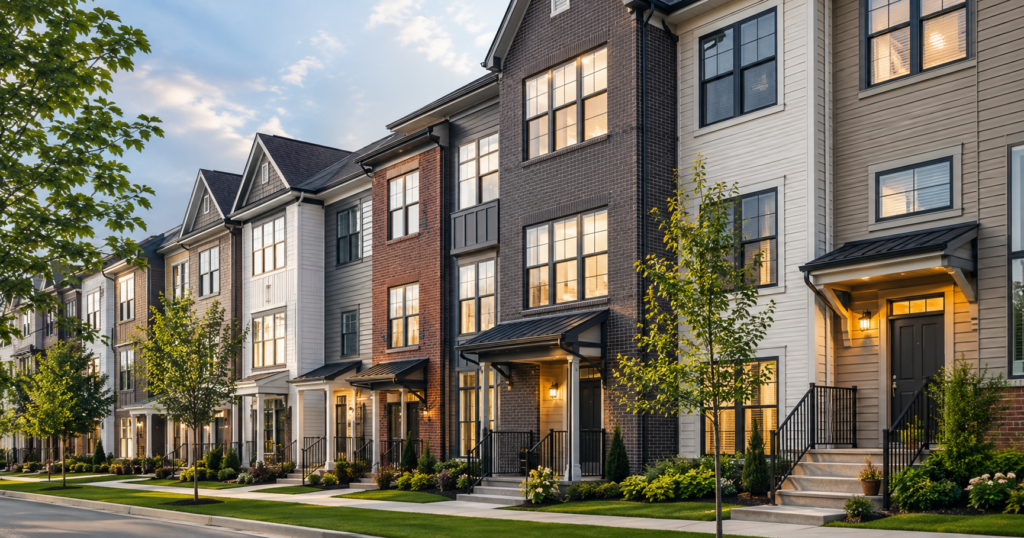
- Townhomes and Duplexes: These single-family attached units provide essential middle-tier density for residents who want the benefits of homeownership without the footprint of a large estate.
- Multi-Unit High Rises: These are critical for the 6.0% of households that prefer high-density living in buildings with 20 or more units, specifically in the urban core.
- Suburban Mix: Providing a blend of multi-family and single-family options in the urban vicinity and suburban peripheries to accommodate different life stages and income levels.
Closing the Gap
The 33,000-unit housing gap is more than a statistic; it is a barrier to the future prosperity and inclusivity of Durham. Closing this gap will require a coordinated effort between the public and private sectors to diversify our housing stock and streamline development.
To participate in the conversation regarding Durham’s future growth. We encourage all residents to attend the next City Council meeting on residential zoning to advocate for the housing solutions our community needs.