Get the Facts.
Durham Housing Facts.
Durham is booming, but is our housing supply keeping up? With thousands of new neighbors arriving, our community faces a massive inventory squeeze. Get the raw, unfiltered data on Durham’s housing market and see how we can build a more affordable future together.
Durham's Population Surge
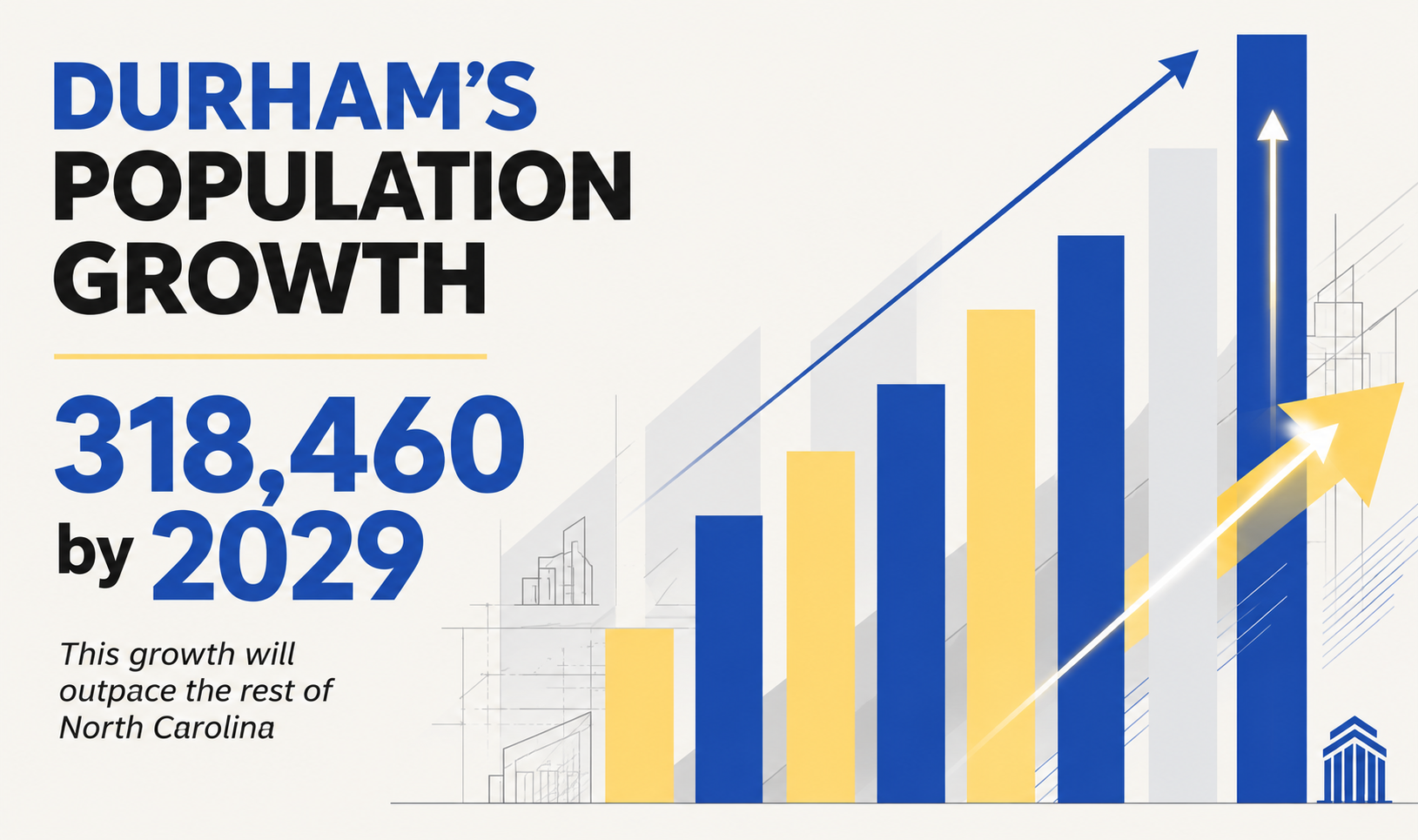
Durham's population is growing at 7.2%—crushing North Carolina’s statewide growth rate of 5.33%. Our community is growing fast. Do we have the supply to welcome them?
SEE THE NUMBERSDurham's 33,000-Home Gap
Durham needs 32,992 new homes by 2029 just to keep up with demand. Discover why expanding housing options is the only way to stabilize prices for renters and buyers.
WHY SUPPLY MATTERS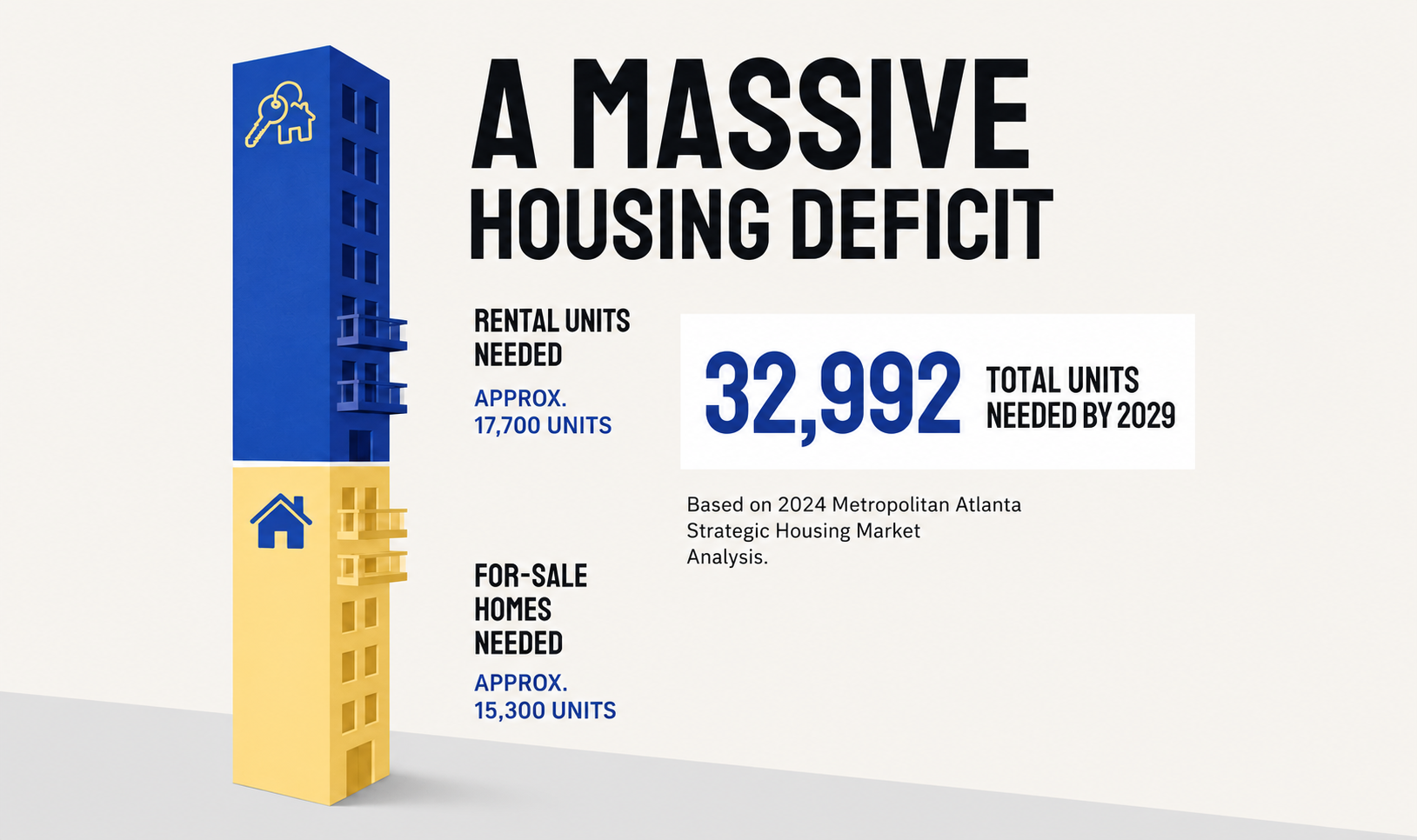
The Crisis of Severe Rent Burden
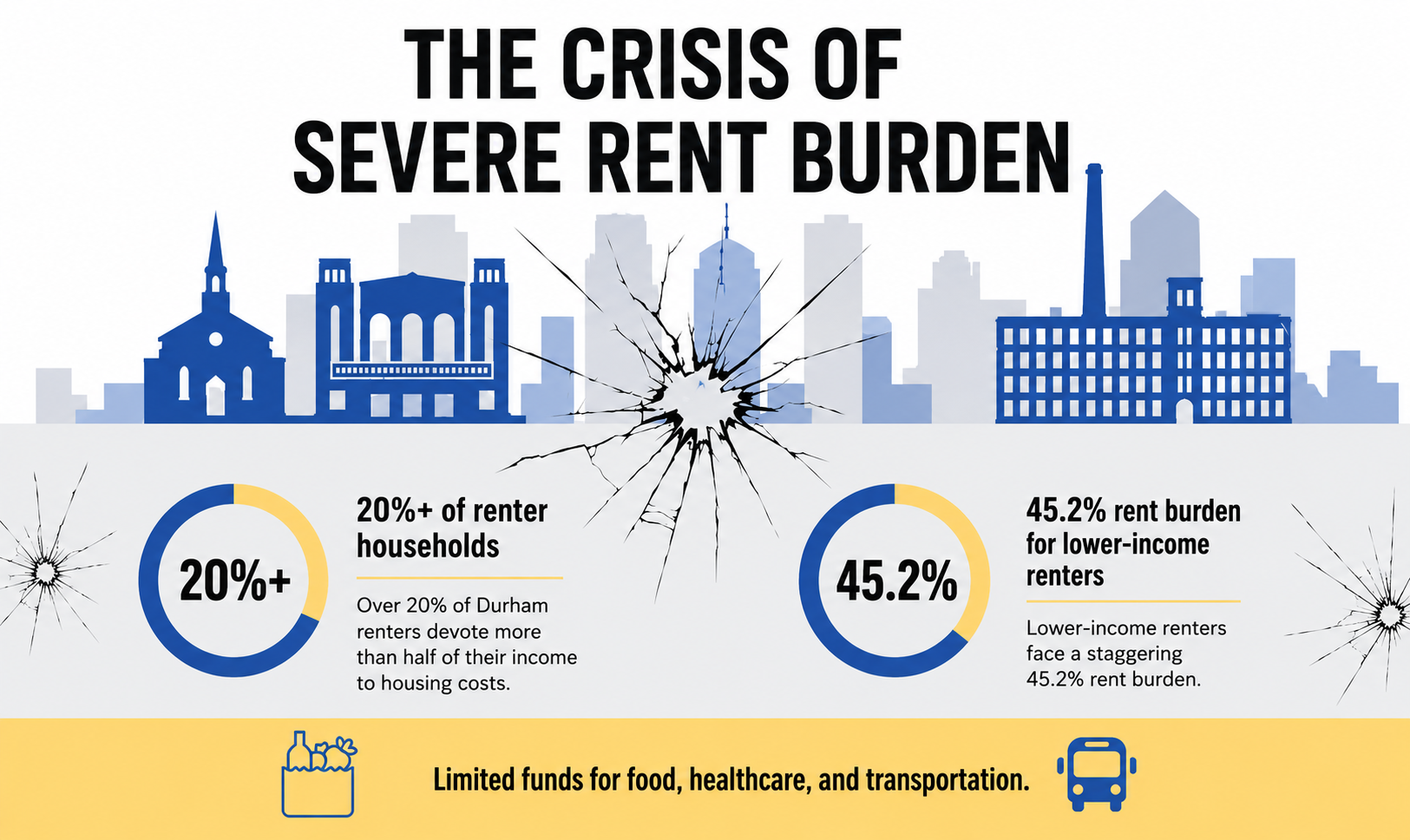
Over 20% of Durham renters now spend more than half their paycheck on housing. Learn how rising construction costs and severe inventory shortages are squeezing local families.
READ THE DATAThe Disappearing Entry-Level Home
Only 1.3% of homes for sale in Durham are priced under $200,000. High land prices and construction costs make entry-level homes incredibly difficult to build. See the barriers we need to break down
EXPLORE THE BARRIERS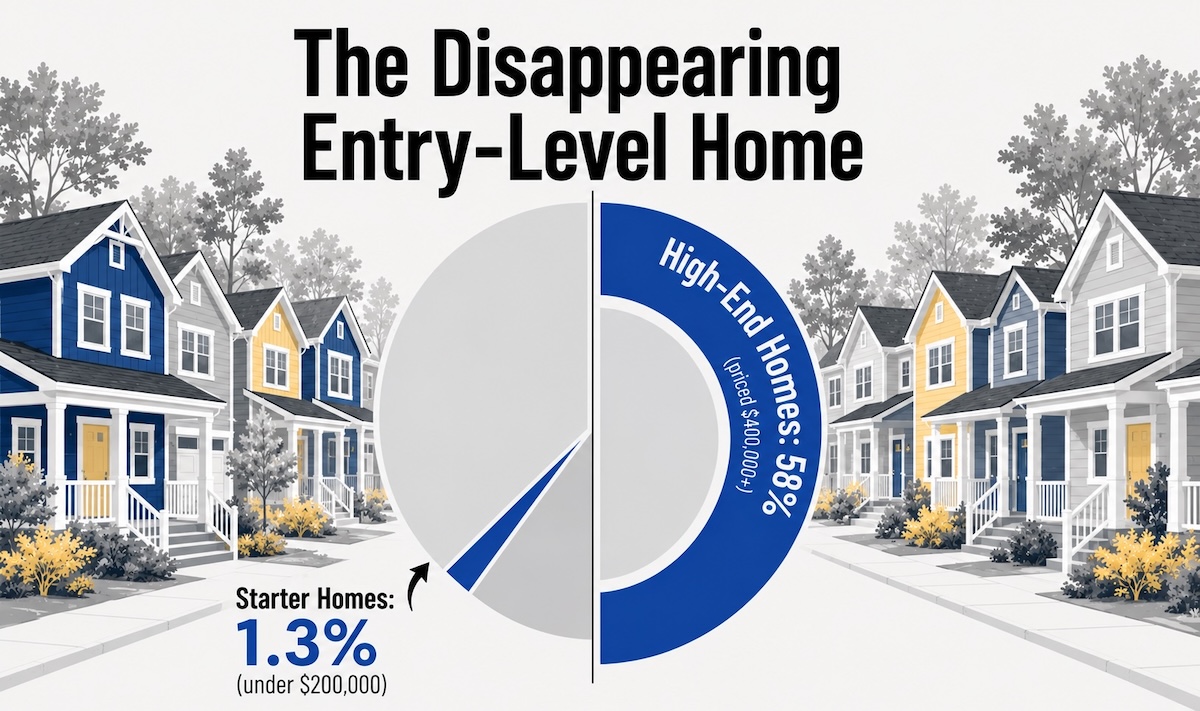
Unlocking Durham’s Backyards
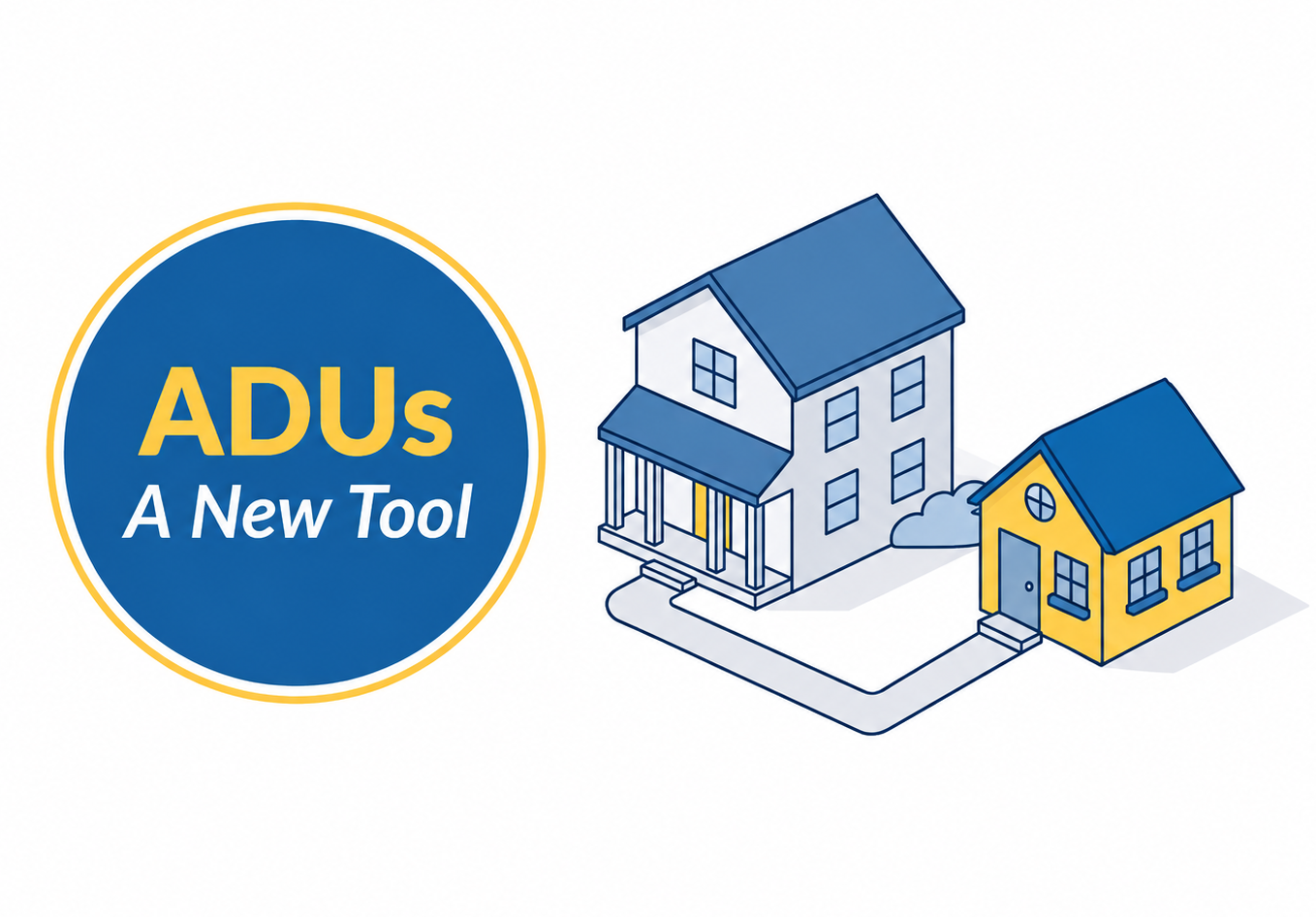
Durham is investing $1.75 million to help homeowners build backyard cottages (ADUs). See how this simple policy change helps property owners build new neighborhood housing choices without displacement.
LEARN ABOUT ADUsGet Involved!
Durham is changing rapidly. Explore this website to learn more about the issues shaping Durham's housing future, and then stay up to date on the latest housing tools, zoning updates, and development facts that impact our neighborhoods. Sign up for our mailing list to get clear information delivered straight to your inbox.

DurhamHousingFacts.com is operated by the Durham Regional Association of REALTORS®.
4236 University Drive, Durham, North Carolina 27707
© 2026 Durham Regional Association of REALTORS®. All Rights Reserved. By providing links to other sites, DurhamHousingFacts.com and Durham Regional Association of REALTORS® does not necessarily guarantee, approve or endorse the information (or related products or services) to or from which this site is linked. If you decide to access any of the third-party sites linked to this site, you do so entirely at your own risk. The information on this website is for education and informational purposes only. If you feel a copyright has inadvertently been violated on this website, please contact info@durhamhousingfacts.com